Comfy Swimsuits
Swimsuits come in a wide variety of shapes and styles for different sports.
A one piece swimsuit is probably the most comfy swimwear you can get. It may take a bit more effort to get in, but then you don't have a waistband to keep it in place, which makes a big difference.
These suits are commonly made out of an elastic fabric with a silky finish. Some have thumb holes on longer sleeves for better sun cover on the back of your hands. They also keep the sleeves from riding up when you swim.
Swimsuits come in these main categories:
- Shorties for the pool
- Full suits for sun protection
- Hooded suits for snorkelling and outdoor sports
- Hooded suits for pools that require swimcaps
They come in different styles including built-in hood, and soft bra support for women just to name a few. Suits with front zip are easier to put on and off, back zip suits have a more comfortable fit when surfing or swimming.
The most important thing to look out for when buying swimwear is comfort and fit. For the competitive swimmer, a wide range of swimwear ensures that you will get the best fit that offers all of the comfort and durability that is needed during your training sessions.
There is a huge selection of options with bright colours, fun patterns and stylish designs or the more traditional colours and styles that will make you look and feel great while offering you the comfort that you need. Only then can you be confident that you are getting the best swimsuit available at great prices.
When you enjoy swimsuits for the very first time,
it helps to know some of its uses.
Here are some tips and answers about wearing and maintaining your swimsuit:
Frequent Swimsuit Questions
Can I wear a long swimsuit in swimming pools?
Yes, of course. You can enjoy full body swimsuits in any swimming pool because they are made from swimwear fabric and don't flap about. If public pools require a swimming cap, put the hood up. Remember after swimming, to wash and rinse your swimsuit well in cool fresh water, like wearing it in the shower. Let it dry completely before putting it away.
Can I wear my swimsuit for dry activities?
Yes, swimsuits are amphibious which means they can be worn comfortably on land and in the water. Enjoy it throughout the day for sun protection without having to change when you go for a swim. It dries quickly after you had a shower to rinse out the sea salt or pool chlorine.
Should I choose a front or back zip?
Most swimsuits have front zips as these are much easier to do up without any help. If you carry scuba gear on your back this is the suit for you.
However if you go surfing you may find that a front zip will rub when you are getting on and off your board and paddling out. A back zip can be a much more suitable option for surfing although you may need some help pulling the zip up or down.
How do I measure for correct size?
If you buy a really good quality swimsuit you want to make sure you measure correctly to get the best fit.
First of all it is always best to take your chest and waist measurement and then compare it to the size chart on the listing of your supplier.
Next, measure yourself from centre front neckline through crotch to centre back neckline. Then if you measure between a small and medium for example but your other measurements are coming under small, you are best to order the medium size for the best length. So remember this when deciding on your size for your next purchase and you should get it right.
What about insects?
Swimsuits provide protection against most stinging insects and plants which is ideal for hikers and cyclists.
As comfy sleepwear a hooded suit keeps mosquitoes from sucking your blood at night.
Just add socks as these little suckers love to go for your ankles.
How do I put on a full body swimsuit?
Make sure your skin and the suit are both dry. This makes it a lot easier.
Open the zipper all the way to the end if possible. Insert one leg first all the way down until your foot goes through the leg opening of the suit. Now insert the other leg all the way to the leg opening again.
With both feet on the ground, hold the suit from both sides and pull it up all the way reaching up to your waist line. Adjust the bottom part until you feel comfortable with how the suit fits.
Now you slide one arm all the way through the sleeve until your hand goes through the sleeve opening
while at the same time bringing the suit top part over your shoulder.
Do the same on the other side.
Simply zip up all the way and enjoy your swimsuit in the water.
Easy.
Does a swimsuit keep me warm?
A swimsuit does not have much thermal protection. Use it on its own when you are snorkeling in warm water and you just need that tiny bit of protection from floating stinging critters or the incidental contact with coral. It is lightweight but gives you just enough protection from getting cut, scraped or encountering abrasions while exploring under water.
A convenient solution is to pair a good hat with a full bodysuit to provide complete sun protection without the hassle of changing outfits before and after each dive. This is especially true on smaller, open boats where shade and changing space is at a premium.
What about sun protection?
A swimsuit gives you a layer of protection against harmful elements. It can provide you with protection against the sun UV radiation as well as those poisonous jellyfish that you might encounter while snorkeling and diving.
Do hoods make a difference?
A convenient solution is to pair a good hat or hood with a full body suit to provide complete sun protection without the hassle of changing outfits before and after each dive. This is especially true on smaller, open boats where shade and changing space is at a premium.
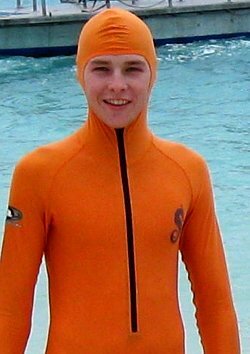
We recommend hooded swimsuits which are more versatile,
give better sun protection for the neck and ears,
and avoid hair tangling in your scuba mask.
Do I need any swimcaps?
Some pools require you to wear a swimcap for hygiene reasons and to keep hair from clogging up their filters. Hooded suits have a swimcap build in so you can't lose it. It is more comfy and fits better.
Can I use a swimsuit as wetsuit liner?
In the early days, divers would wear a pair of pantyhose to cut down on the struggle of donning their wetsuits. Well, we don't see people using panty hose any longer, but the concept is the same.
Now, because of the thin stretch fabric, which is a very smooth and silk material, it is easier for divers to get in and out of their wet suits fast and without any struggle, tugging and fumbling. The slick lycra construction of the swimsuit helps you peel your wetsuit off or pull it on in a hurry. Just wear a swimsuit and never again will you lose the skin of your knuckles from tugging and pulling on the legs of your wetsuit.
Some divers find that wearing a full swimsuit as a liner makes it easier to slip into a thicker wetsuit. Get a swimsuit with a thumbloop so it doesn't slide up in your wetsuit.
A swimsuit makes suiting up in a thicker wetsuit much easier. It is lightweight and dries fast, and allows you to peel off the rubber suit and still have full sun protection while on the surface. It usually has the zip on the front to avoid discomfort when wearing scuba gear on your back.
Swimsuits are non-buoyant,
which means you won't have to add any lead to the weight belt to compensate for your suit.
Some divers will wear a light swimsuit suit throughout the day,
even if they plan on adding a thicker wetsuit during the dive.
It is lightweight and dries fast.
Made with overlock seams, this is also a great tropical suit for warm water snorkeling.
Are there any accessories?
A simple unlined anorak (windbreaker) is a useful accessory for your swimsuit, made of a quick drying, breathable fabric. Always have one or more in your swimbag. It need not be waterproof, just keep the wind off.
Pick an anorak in a matching colour for your swimsuit, so you look cool in the pool or on the beach. Make sure it is unlined or you'll find it uncomfortable, dealing with air bubbles or water pockets. You can wear it as a warm up after your swim, or keep it on in the water for extra warmth and comfort. If your swimsuit doesn't have a hood, you can use the hood of your anorak.


Are there any swimsuit alternatives?
Jeans and a tight pullover or swim shirt are an inexpensive swimsuit alternative unless you are in area with very small jellyfish that could swim inside your clothes or up your jeans legs.
This outfit is comfortable, but not as much as a swimsuit due to weight of wet jeans when you come out of the water. It causes more drag when swimming, doesn't stretch as much and takes longer to dry.
On the other hand it is more practical and robust than a swimsuit, giving you good protection from rough rocks or corals. You can wear jeans and a pullover anywhere, even when you're not swimming. Best of all, there is no need to get changed when you want to go into the water. Just jump in and enjoy.
Our Advice:
Get both.
Always keep a few swimsuits, anoraks, jeans, and swim shirts or pullovers in your swimbag
so you're ready for any situation.
Keep a change of dry clothes for after your swim.